
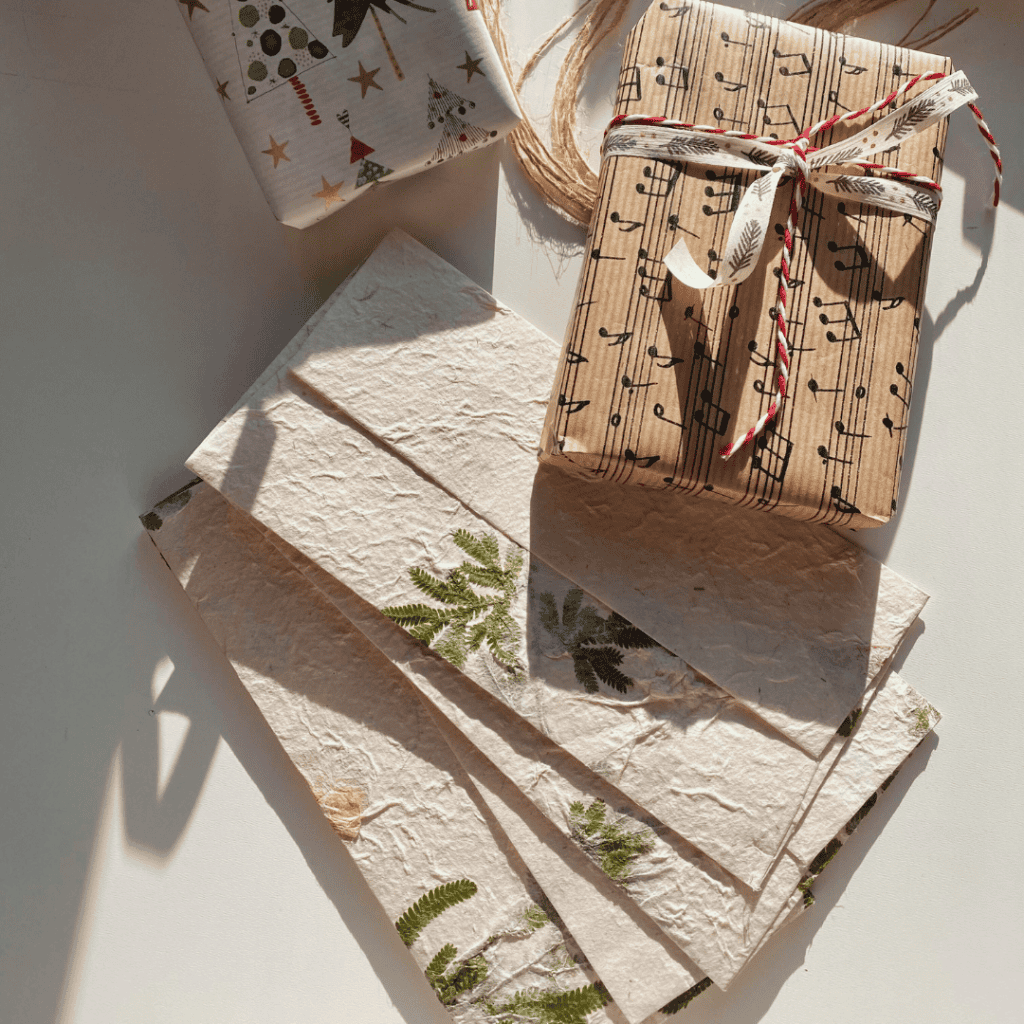
Choosing craft paper depends largely on the project’s purpose, texture preference, and durability requirements. The best craft paper for you balances quality with functionality, matching the weight, finish, and color to your specific needs.
Different craft papers vary in thickness, absorbency, and surface texture, which affects how they handle ink, paint, or adhesives. Knowing these characteristics helps ensure your project turns out as expected.
Consider the environment where your craft will be used or displayed, as some papers are more resistant to wear and tear or moisture. Selecting the right type upfront saves time and improves the final result.
Understanding Craft Paper Types
Craft paper varies widely in weight, texture, and origin, affecting its suitability for specific projects. Choosing the right type depends on factors like strength, finish, and environmental impact.
Kraft Paper
Kraft paper is made from wood pulp through the kraft process, resulting in a strong, durable material. It is typically brown but can be bleached to white. Its strength makes it ideal for packaging, wrapping, and heavy-duty crafts.
The paper is resistant to tearing and can handle adhesives and inks well. It often comes in different weights, ranging from lightweight sheets to thicker, more rigid boards. Because of its durability, kraft paper is popular for projects requiring toughness and flexibility.
Textured and Specialty Papers
Textured craft papers include varieties like embossed, laid, or linen. These types add a tactile or visual dimension to projects. They are commonly used in scrapbooking, card making, and decorative packaging.
Specialty papers may include coated surfaces, metallic finishes, or handmade options. These enhance aesthetic appeal but often cost more and may require careful handling. Understanding the specific texture and finish is crucial for matching papers to the design requirements.
Recycled Craft Papers
Recycled craft papers prioritize environmental sustainability. They are made from post-consumer or post-industrial waste, reducing landfill and energy use. Quality and appearance can vary depending on the recycling process.
These papers often have a rougher texture and muted tones, but can still be suitable for many craft applications. Checking the percentage of recycled content and any certifications helps ensure transparency and performance for specific needs.
Determining the Purpose and Application
Choosing the right craft paper depends heavily on what you intend to use it for. Different uses demand varying thickness, texture, and durability that influence the paper’s suitability.
Packaging and Wrapping
For packaging and wrapping, durability and strength are crucial. Kraft paper with a high GSM (grams per square meter), typically above 70 GSM, offers good tear resistance and cushioning for heavier items. Brown or natural kraft paper is common here due to its sturdy fibers and eco-friendliness.
If the package requires extra protection, consider kraft paper with a coating or reinforcement. It resists moisture better and helps prevent damage during shipping. For food wrapping, unbleached, food-safe kraft paper is necessary to meet hygiene standards.
Arts and Crafts Projects
Craft paper for creative projects tends to prioritize texture and flexibility. Lightweight kraft paper (around 40-60 GSM) is easier to fold, cut, and glue. It also accepts various inks, paints, and markers without bleeding through.
Some craft papers come in different colors or finishes, allowing more design options. Artists may prefer recycled kraft paper for its natural look and environmental benefits. In scrapbooking or collage work, acid-free paper prevents long-term yellowing and damage.
Stationery and Invitations
Stationery and invitations demand a more refined appearance and smoother surface. Kraft paper with a finer grain and lighter color tone helps achieve a polished, rustic aesthetic. GSM around 90-120 balances sturdiness with elegance.
Consider papers with a slight coating or smooth finish to improve print clarity, especially for detailed designs or calligraphy. Custom embossing or letterpress techniques work best on high-quality craft paper with enough thickness to hold impressions cleanly.
Key Factors to Consider When Choosing Craft Paper
Selecting craft paper requires attention to its physical properties, appearance, and functionality. The paper’s weight affects durability, while texture influences how it interacts with media. Color and patterns determine the visual impact, tailoring the paper to specific projects.
Paper Weight and Thickness
Paper weight, measured in grams per square meter (gsm) or pounds (lb), dictates how sturdy the craft paper feels. Lightweight paper (below 100 gsm) is flexible and easy to fold, ideal for origami or lightweight decorations. Heavier paper (above 150 gsm) provides rigidity, suitable for card making, packaging, or framing.
Thickness, often expressed as caliper (thousandths of an inch), correlates with weight but affects bulk and how the paper handles folding or cutting. Thicker paper can withstand repeated handling and heavier media like paint or markers without warping.
Choose a weight and thickness based on the demands of your project, balancing ease of use with durability.
Surface Finish and Texture
Craft paper finishes range from smooth to rough, influencing ink absorption and tactile feel. Smooth surfaces work well for printing, drawing, or detailed stamping because they allow fine detail. Rough or textured finishes add visual interest and depth, but may cause ink bleed or uneven application.
Common textures include laid, linen, or embossed patterns. These affect how adhesives or paint adhere and can enhance handmade aesthetics. For mixed media projects, testing the texture with your preferred materials helps avoid issues like smudging or peeling.
Decide on a finish that complements your craft technique and the final look you want to achieve.
Color and Pattern Options
Craft paper is available in a broad spectrum of colors, from natural browns and creams to vibrant hues. Choosing the right color can align with your project’s theme or mood. Neutral tones are versatile, while bold colors accentuate.
Patterns range from simple polka dots or stripes to florals and seasonal designs. Printed craft paper adds a decorative element but requires consideration of how it interacts with other materials, especially for layered projects.
Keep in mind that colorfastness and opacity vary; testing samples to ensure color integrity under light or after handling is critical. Use solid colors and subtle patterns when layering to avoid visual clutter.
Evaluating Quality and Durability
Understanding the strength and longevity of craft paper is essential to selecting the right type. Factors like tear resistance and archival quality determine how well the paper will hold up under use or over time.
Tear Resistance
Tear resistance measures how much force paper can withstand before ripping. It depends on fiber length, bonding, and thickness. Longer fibers typically create stronger paper. Look for Kraft papers specified with a tear resistance value in grams or newtons for accurate comparison.
Coatings and additives can improve tear resistance but may affect flexibility and texture. Uncoated craft paper tends to be more natural but less durable against tearing. When durability is critical, such as for packaging or heavy-duty art projects, higher tear resistance ratings between 100–200 grams are preferable.
Testing small samples by hand can provide practical insight into feel and strength. However, standardized test results from suppliers offer more reliable data for assessing tear resistance.
Archival Properties
Archival properties indicate how well paper resists aging and deterioration. Acid-free craft paper prevents yellowing, brittleness, and breakdown caused by acidic content. Look for pH-neutral or alkaline-buffered labels to confirm archival quality.
Durability also relates to lignin content. Papers low in lignin are more stable over decades because lignin contributes to paper degradation. For projects needing long-term preservation, choose craft papers labeled as “archival” or “museum quality.”
Environmental factors, like moisture and light, affect archival quality. While paper itself matters, consider storage conditions to maintain durability over time.
Eco-Friendly and Sustainable Options
Choosing craft paper made with responsible materials and design can reduce environmental impact. Key factors include the source of the fibers and how the paper breaks down after use.
Recycled Content
Craft paper with recycled fibers reduces reliance on virgin wood pulp, conserving trees and water. Look for papers labeled with post-consumer waste (PCW) percentages; higher PCW means more recycled material.
Recycled craft papers often use a mix of pre-consumer and post-consumer content. This affects texture and strength. Papers with 30–100% recycled content are common and suitable for most crafts.
Certifications such as FSC Recycled or SFI Recycled verify responsible sourcing and processing. These labels ensure the fibers come from recycled materials with minimal chemical use.
Biodegradability
Biodegradable craft paper breaks down naturally when composted or discarded, minimizing landfill waste. Typically, uncoated, unbleached papers compost faster due to fewer additives.
Avoid papers with plastic lamination, heavy plastics, or synthetic glazes, as these hinder decomposition. Natural kraft papers are ideal for quick biodegradation.
Biodegradability depends on fiber type, thickness, and coating. Thinner, pure kraft paper may break down within weeks, while thicker sheets take longer. Proper disposal in compost or recycling systems accelerates the process.
Cost Considerations and Budgeting
When selecting craft paper, it’s important to balance quantity, quality, and price. Understanding pricing models and purchase options can help manage costs effectively.
Bulk Buying vs. Retail
Buying craft paper in bulk typically reduces the cost per sheet. Wholesale suppliers often offer discounts starting around 5,000 sheets or more, which suits high-volume projects or businesses.
Retail purchases give flexibility for small quantities but usually carry a higher price per unit. For example, a pack of 100 sheets may cost $20, while buying 5,000 sheets wholesale might bring the price down to $0.15 per sheet.
Storage is a consideration with bulk buying; you need space and proper conditions to prevent damage. Retail is better for occasional use or testing different paper types without a heavy upfront investment.
Comparing Price Ranges
Pricing depends on factors like paper weight, finish, and brand. Lightweight craft paper (30-50 lbs) can cost $0.05 to $0.15 per sheet, while heavier, specialty papers (80-100 lbs) range from $0.20 to $0.50 per sheet.
Brands that focus on eco-friendly or recycled materials may charge premium prices, often 15-25% higher than standard craft papers. Glossy or textured finishes add to the cost, sometimes doubling basic paper prices.
Use this sample pricing table as a guide:
| Paper Type | Price per Sheet (Retail) | Price per Sheet (Bulk) |
| Standard Kraft (50 lbs) | $0.10 | $0.06 |
| Heavy Kraft (80 lbs) | $0.30 | $0.18 |
| Recycled Kraft | $0.12 | $0.08 |
Budget based on project size and paper characteristics to avoid overspending on unnecessary features.
Where to Buy Craft Paper
Craft paper is widely available both in physical stores and online. Local art supply shops and big-box retailers often carry a range of options, including different weights, colors, and textures.
Art supply stores typically offer higher-quality paper and specialized types, making them a good choice if you need specific features like acid-free or recycled content. These stores also allow you to see and feel the paper before purchase.
Office supply stores offer standard craft paper, usually in bulk and at lower prices. These are ideal if you need large quantities for projects such as wrapping or school crafts.
Online marketplaces provide convenience and variety. Websites like Amazon, Michaels, and Blick offer extensive selections, user reviews, and detailed product descriptions.
| Place | Pros | Cons |
| Art Supply Store | Quality, variety | Can be pricier |
| Big-Box Retailer | Accessible, budget-friendly | Limited specialty options |
| Online Retailer | Wide selection, delivered to you | Shipping time, no tactile testing |
When buying online, check product details such as paper weight (gsm), finish, and size to ensure it fits your needs. Reading customer reviews can help verify quality.
Consider your project requirements and budget to decide where to purchase. Balancing convenience, price, and paper quality will lead to the best choice.
Tips for Testing and Sampling Craft Paper
Start by requesting small samples before committing to a large purchase. This allows you to physically assess texture, thickness, and color.
When testing, consider how the paper reacts with your intended medium. For example, use markers, paint, or ink directly on the sample to check for bleeding or smudging.
Evaluate weight and durability by folding or tearing the sample gently. This helps gauge how the paper will hold up for your project.
Create a simple checklist to compare key qualities such as:
| Quality | What to Check |
| Texture | Smooth, rough, or fibrous |
| Thickness | Measured in gsm or lbs |
| Absorbency | How fast does liquid dries |
| Color Fidelity | True color or off-shade |
| Flexibility | Ability to bend without damage |
Test how the paper responds to your tools and techniques. For example, some craft papers might wrinkle when wet or fade under certain lights.
Document your observations for each sample to make an informed decision later. Even minor differences can impact the success of your finished work.
Storing and Maintaining Craft Paper
Proper storage is essential to preserve craft paper quality. Keep paper flat to avoid wrinkles and bends. Use a clean, dry surface to store sheets or rolls.
Avoid exposure to direct sunlight, which can cause fading. Humidity can damage paper fibers, so maintain a cool, dry environment. Ideally, store paper in a room with controlled temperature and low moisture.
Use acid-free folders or plastic sleeves to protect sheets from dust and dirt. For rolls, a tube or container can prevent crushing. Label storage containers to identify different paper types quickly.
Here’s a quick guide for storing craft paper:
| Storage Tip | Purpose |
| Flat storage | Prevents warping |
| Dry environment | Avoids moisture damage |
| Avoid sunlight | Reduces fading |
| Acid-free materials | Preserves paper integrity |
| Proper labeling | Easy identification |
Regularly check the paper for any signs of damage. If you notice yellowing or brittleness, use those sheets soon or replace your stock. Handle sheets with clean, dry hands to avoid stains and oils.
Maintaining craft paper extends its lifespan and keeps it ready for projects. Small efforts in storage prevent significant damage over time.